

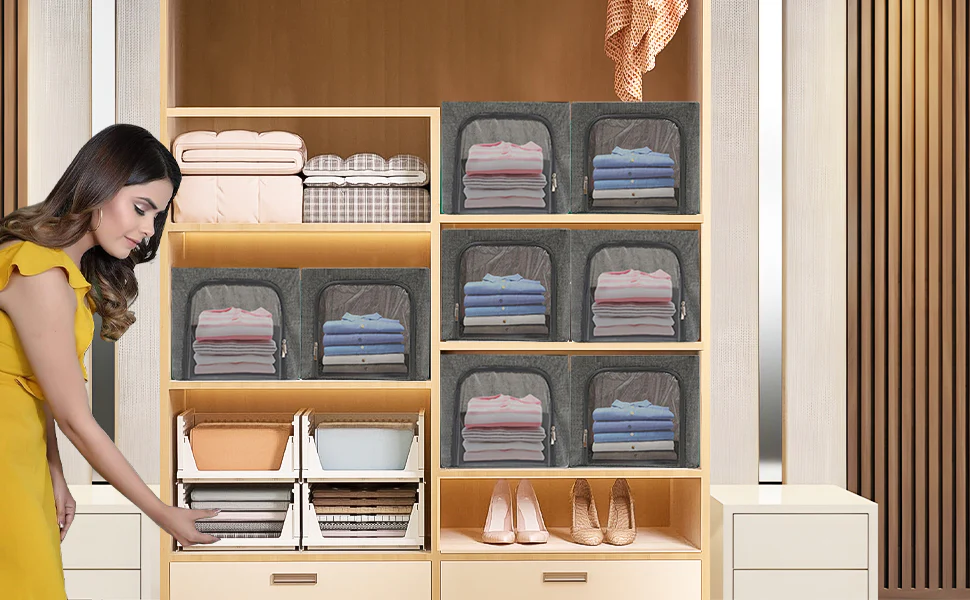
Investing in high-quality clothing is only half the battle when it comes to maintaining an elegant, functional wardrobe. The way garments are housed, handled, and preserved when not in use plays a massive role in their overall lifespan. Inappropriate storage methods can cause stretching, structural warping, fiber degradation, discoloration, and insect damage, effectively ruining expensive pieces long before their time.
Many people treat their closets as a passive holding zone rather than an active care environment. By shifting your perspective and adopting intentional wardrobe preservation techniques, you can shield your textiles from environmental stressors, prevent premature wear, and save significant money over time.
The Critical Impact of the Storage Environment
The atmosphere where you keep your garments dictates how well the fibers survive periods of disuse. The three primary threats to any fabric are excess humidity, direct light exposure, and lack of airflow.
Storing clothes in damp basements, uninsulated attics, or poorly ventilated closets traps moisture against the weave. This encourages the growth of mildew and mold, which permanently stains fabrics and weakens organic structural threads. The ideal storage environment is a cool, dry, dark room with stable temperatures.
Direct sunlight is another insidious variable. Continuous exposure to natural light through a nearby window fades dyes unevenly, leaving streaks of discoloration along the shoulders or folded edges of garments. Ensure closet doors remain closed, or use opaque garment bags for pieces that sit near light sources.
To Hang or to Fold: The Fabric Rule
Misunderstanding which garments belong on hangers and which belong on shelves is a primary cause of structural fabric damage. The weight and construction of a piece of clothing should always determine how it is stored.
When to Fold Garments
Gravity is the enemy of elastic, knitted, and heavily textured materials. Hanging heavy knitwear stretches out the shoulders, leaving permanent bumps commonly known as hanger bumps, and elongating the body of the garment out of its original shape.
-
Sweaters and Knits: Heavy wool, cashmere, cotton knits, and cardigans must always be folded flat on a shelf or placed inside a drawer to preserve their elasticity.
-
T-shirts and Activewear: Stretch fabrics containing spandex, elastane, or jersey knits will lose their recovery memory if left hanging under tension.
-
Embellished Pieces: Gowns or tops featuring heavy beadwork, sequins, or metallic threads should be folded into drawers using acid-free tissue paper to prevent the weight of the decorations from pulling the garment downward.
When to Hang Garments
Woven fabrics hold their shape much better on hangers and are highly prone to stubborn, set-in creasing if left folded for extended periods.
-
Tailored Outerwear: Blazers, suit jackets, and heavy winter coats require structured support to maintain their internal shoulder padding and chest canvas.
-
Silk and Linen: These natural fibers easily develop deep creases that weaken the threads over time. Hanging them minimizes the need for high-heat ironing.
-
Trousers and Skirts: Hanging these items by the waistband or neatly folded over a thick horizontal bar keeps the pleats and grainlines sharp.
Choosing the Right Wardrobe Tools
The cheap accessories that accompany clothing from the dry cleaner or department store are often major culprits in clothing degradation. Upgrading your basic organizational tools provides immediate protection for your wardrobe.
Wire hangers should be completely banned from your home closet. They are structurally weak, cause sharp indentations in fabrics, and can even rust onto clothing in humid conditions. Standard plastic hangers are slightly better but still lack the necessary width to support tailored shoulders.
Opt instead for solid wood or high-quality velvet-flocked hangers. Wood hangers offer excellent structural support for heavy items like coats and suits, while velvet hangers provide a non-slip surface for delicate silk blouses without taking up excessive closet space. When hanging trousers, choose hangers with felt-covered clips to avoid leaving deep indentations in delicate leathers, wools, or suedes.
When dealing with seasonal storage, swap out plastic garment bags for breathable cotton or canvas alternatives. Plastic traps ambient moisture and off-gasses chemical vapors that yellow light-colored natural fibers like cotton and linen over time. Breathable fabric bags allow air to circulate while acting as a barrier against dust and household pests.
Preparing Clothing for Seasonal Transition
Before packing away your seasonal wardrobe for months at a time, skipping the deep cleaning stage is a catastrophic mistake. Even if a garment looks clean to the naked eye, invisible residues will wreak havoc during storage.
Perspiration, body oils, skin cells, perfume, and minuscule food particles act as a magnet for pests like clothes moths and carpet beetles. Furthermore, these organic substances oxidize over time under storage conditions, turning into dark yellow or brown stains that are incredibly difficult to remove after they have cured for six months.
Always wash or dry-clean every single item before placing it in long-term storage. Ensure the clothing is completely, thoroughly dry before sealing it away; even a tiny amount of dampness from a rushed laundry cycle will trigger mildew development inside a closed storage bin.
Avoid using traditional mothballs, as they rely on volatile chemical pesticides that leave a pungent, semi-permanent odor and can be toxic to household pets and humans. Instead, utilize natural cedar blocks, chips, or lavender sachets. These natural deterrents absorb minor odors and repel insects effectively, though they must be lightly sanded or replaced annually to renew their active aromatic oils.
The Danger of Overpacking Storage Areas
Air circulation is an essential factor in maintaining garment longevity. Packing a closet so tightly that you must forcefully wedge items apart to view them compromises the structural integrity of your clothing.
When garments are compressed tightly against one another, fibers are crushed, zippers and buttons scratch adjacent fabrics, and air cannot circulate. This lack of air creates micro-climates of stagnant air that can hold onto humidity.
Aim for a visible gap between every single hanger in your main closet space. For seasonal storage bins, fill the containers loosely. Never compress down down-filled coats or sleeping bags into vacuum-sealed bags for long periods, as this permanently breaks the delicate feathers and removes the insulating properties of the garment.
Frequently Asked Questions
Is it safe to use cardboard boxes for long-term clothing storage?
No, standard cardboard boxes are not recommended for preserving clothing over several months. Cardboard is highly porous, absorbs external humidity, and attracts pests like silverfish, which feed on the glue and cellulose material. Cardboard is also highly acidic and can cause yellowing in white or light-colored natural fabrics. Use clean, heavy-duty polypropylene plastic bins or breathable canvas zippered storage chests instead.
How can I safely store genuine leather and suede jackets?
Leather and suede require air to prevent drying out, cracking, or growing mold. Never store leather in plastic bags or airtight containers. Hang them on wide, contoured wooden hangers to support the heavy shoulder weight, and cover them loosely with a breathable cotton sheet or fabric garment bag to block out dust while allowing the leather to breathe.
What is the correct way to store expensive denim to maintain its shape?
To preserve the structure and dye of high-quality raw denim, it is best to fold them neatly or hang them by the back belt loops using specialized S-hooks. Avoid folding them down the center crease like dress pants, as this creates artificial fading lines along the front of the leg. Storing them flat preserves the natural wear patterns unique to your body.
Should I store my fine leather shoes with shoe trees inside them?
Yes, using unvarnished cedar shoe trees is highly beneficial for leather footwear. The cedar wood absorbs moisture and sweat from the interior lining after wear, while the tension of the spring-loaded tree maintains the original shape of the shoe upper and prevents deep, permanent toe creasing from forming over time.
How do I prevent delicate lace or silk items from catching on other clothes?
Delicate items should be stored inside individual soft cotton pouches or wrapped gently in acid-free tissue paper before being placed in a drawer. If they must be hung, ensure they are placed inside a separate garment bag so that neighboring sequins, zippers, or rough hardware from other items cannot snag the delicate weave.
Is it beneficial to vacuum-seal wool blankets and heavy winter sweaters?
While vacuum-sealing is an excellent space-saving method for synthetic linens or lightweight items, it can damage natural animal fibers like wool, cashmere, and down. Keeping these organic fibers tightly compressed for months crushes the natural crimp and elasticity of the wool hairs, making the garments lose their loft, softness, and insulating warmth.
Can I use cedar storage blocks directly touching all types of fabrics?
Cedar blocks should not directly touch highly delicate, sheer, or white fabrics, as the natural oils inside the cedar wood can occasionally leach out and create oil spots or yellow discoloration on the material. Place the cedar blocks wrapped in tissue paper at the bottom of the container, or hang them from the closet rod away from direct contact with clothing.

Comments are closed.