

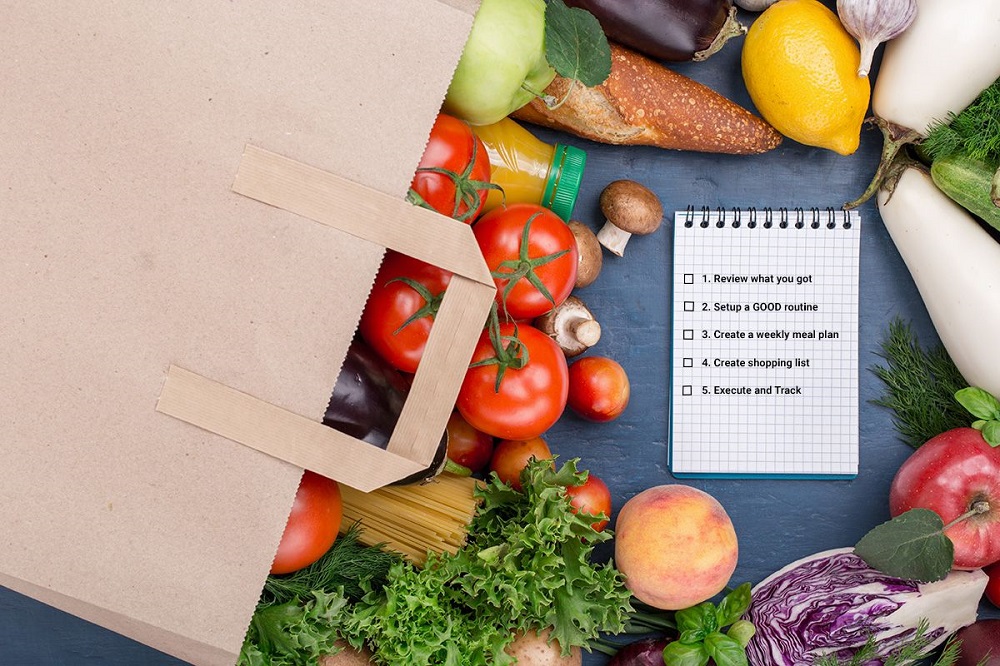
Food is one of the most significant variable expenses in a household budget. Unlike fixed costs such as rent or insurance, the amount spent on groceries fluctuates wildly based on shopping habits, impulse decisions, and planning strategies. Without a structured approach, it is incredibly easy to overspend, buy duplicate items, or let fresh food spoil before it can be consumed.
Transforming your grocery run from a chaotic errand into a strategic operation requires foresight, planning, and a deep understanding of how retail grocery stores operate. By shifting your approach from a weekly reaction to a proactive monthly system, you can capture significant savings while eating better and wasting less.
The Foundation of Monthly Grocery Savings
Many shoppers believe that saving money on groceries simply means buying cheaper brands or cutting back on favorite treats. In reality, true financial efficiency stems from minimizing waste and timing your purchases to align with retail sales cycles. Grocery stores run on predictable patterns, and learning to read these patterns is the first step toward reducing your monthly bill.
Most major supermarket chains operate on a six-to-eight-week promotional cycle. This means that major non-perishable staples, such as canned goods, pasta, oils, and frozen foods, hit their lowest price points roughly once every two months. Recognizing this timeline allows you to transition away from buying items only when you need them, moving instead toward a strategy where you buy items when they are priced at their absolute lowest.
By adjusting your mindset to view your kitchen as a mini-inventory management system, you can protect your budget from sudden price spikes. The goal is to establish a pantry baseline that shields you from paying full retail prices for your most frequently used ingredients.
Step-by-Step Strategic Planning Method
To implement an effective savings system, you must establish a routine before you ever step foot inside a store. This methodical approach removes the emotional component of shopping, which is the primary driver of impulsive, high-cost decisions.
Inventory and Assessment
The biggest drain on a grocery budget is buying items you already own. Before sitting down to plan a menu or write a list, conduct a comprehensive audit of your current food supply.
-
Check the depths of your pantry for grains, beans, and canned goods that have slipped to the back.
-
Dig through the freezer to identify proteins or frozen vegetables that need to be used before freezer burn sets in.
-
Assess the refrigerator crisper drawers for produce that must be incorporated into early weekly meals.
Menu Planning Around Sales
Instead of deciding what you want to eat and then looking for the ingredients, look at what is on sale and build your meals around those specific items.
-
Review the digital or physical weekly sales circulars for your local grocery stores.
-
Identify the loss leaders, which are heavily discounted items prominently featured on the front page of the circular designed to draw customers into the store.
-
Build your main dinners around the featured proteins or produce items of the week. If chicken breast and broccoli are on deep discount, plan multiple variations of meals utilizing those components.
The Tiered Shopping List
A disorganized list leads to wandering through aisles, which increases exposure to strategic product placements designed to trigger impulse buys. Structure your list by store layout or by category.
-
Group items into sections such as produce, meat, dairy, pantry staples, and frozen foods.
-
Clearly differentiate between core necessities and optional stock-up items.
-
Assign a strict quantity to each item based on your menu plan to prevent over-purchasing perishable goods.
Navigating the Store Layout to Avoid Marketing Traps
Supermarkets are meticulously designed environments engineered to maximize the amount of money a consumer spends. From the smell of fresh baked goods near the entrance to the placement of items at eye level, every element serves a psychological purpose. Becoming aware of these tactics allows you to shop defensively.
The perimeter of the store generally houses the fresh, single-ingredient foods like fruits, vegetables, meat, and dairy. The interior aisles contain processed goods, snacks, and boxed meals. While you cannot completely avoid the inner aisles, you should enter them with a specific target in mind rather than browsing aimlessly.
Pay close attention to shelf placement. Brand-name manufacturers pay premium slotting fees to have their products placed precisely at eye level for adults. Cheaper alternative brands, store brands, and bulk options are almost always located on the very bottom or very top shelves. Train your eyes to look up and down rather than straight ahead to find the true value buys.
Furthermore, do not fall victim to endcap displays. The products stacked at the ends of aisles are frequently mistaken for sales items, but stores often use this prime real estate to display full-priced items that are simply paired with a seasonal theme. Always verify the price tag against the actual aisle location before assuming an endcap product is discounted.
Maximizing Digital Tools and Loyalty Apps
The modern grocery landscape heavily relies on digital engagement. Consumers who ignore store loyalty programs and smartphone applications are actively leaving money on the table. Virtually every major supermarket chain utilizes a free loyalty app that unlocks exclusive pricing and coupons.
Many stores have transitioned to digital-only coupons, meaning the discount will not apply at the register unless you have manually selected or clipped the coupon within the store’s app prior to checkout. Dedicate ten minutes on the morning of your shopping trip to open the app, browse available coupons, and link them to your loyalty account.
Beyond store-specific apps, rebate applications offer cash back on purchases after you leave the store. These platforms require you to upload a photo of your receipt to verify purchases of specific brands or categories. Over the course of a month, the accumulated cash back can be transferred to a bank account or redeemed for gift cards, effectively lowering your net grocery expenditure.
The Power of Unit Pricing Over Retail Pricing
One of the most valuable tools for a budget-conscious shopper is the tiny numbers printed on the store shelf price tags: the unit price. Retailers often display the total price of an item in large bold print, while the unit price is tucked away in a corner, broken down by ounce, pound, or count.
An item that appears cheaper on the surface may actually be more expensive when you look at the volume. For example, a medium-sized bottle of olive oil might cost six dollars, while a larger bottle costs ten dollars. At first glance, the six-dollar option seems better for a tight weekly budget. However, looking at the unit price might reveal that the smaller bottle costs fifty cents per ounce, while the larger bottle costs thirty cents per ounce.
Whenever your monthly cash flow allows, use unit pricing to guide your decisions. Buying the larger volume or the bulk package offers a far better return on investment for items you use consistently. This tactic is especially useful when comparing name-brand products to store-brand equivalents, as store brands frequently offer a significantly lower unit price for the exact same ingredients.
Batch Cooking and Strategic Food Preservation
Buying groceries at an excellent price means nothing if the food ends up in the trash bin. Food waste is equivalent to throwing cash directly into the garbage. To maximize your monthly savings, you must develop a plan to preserve and utilize everything you purchase.
Batch cooking involves preparing large quantities of base ingredients or entire meals at once, which reduces overall energy costs and ensures that bulk ingredients are used before they spoil. If you buy a five-pound package of ground beef on sale, cook the entire portion at once with neutral seasonings. Divide the cooked meat into meal-sized portions and freeze them. This provides quick foundations for future tacos, pasta sauces, or chili, while completely eliminating the risk of the raw meat spoiling in the refrigerator.
Additionally, understand the difference between expiration dates. Sell-by, best-by, and use-by dates are largely indicators of peak quality determined by manufacturers, not strict safety deadlines. Inspect food using your senses rather than relying solely on the printed stamp. Bread can be frozen indefinitely, slightly wilted vegetables can be revived in ice water or thrown into a soup pot, and overripe bananas can be peeled and frozen for future baking.
Frequently Asked Questions
Is it always cheaper to shop at discount grocery warehouses?
Not necessarily. While warehouse clubs offer excellent unit prices on bulk items, they require an annual membership fee that must be factored into your total expenses. Additionally, buying in large quantities can lead to higher waste if your household cannot consume the food before it expires. Warehouse shopping is highly effective for large families or non-perishable goods, but smaller households may find better value by tracking sales at standard supermarkets.
How can I save money on fresh organic produce?
The most effective way to save on organic produce is to buy exclusively in season, when supply is high and prices naturally drop. You can also look for the store-brand organic options, which are consistently priced lower than national organic labels. Alternatively, consider purchasing frozen organic vegetables; they are frozen at peak ripeness, contain the same nutritional value, and cost significantly less per ounce while eliminating the risk of spoilage.
How often should I switch grocery stores to chase the best deals?
Visiting multiple stores every week is generally counterproductive because the cost of fuel and the value of your time will quickly erode any small savings you find. Instead, identify two primary stores with complementary pricing structures, such as one discount grocer for pantry staples and one traditional supermarket for high-quality meat sales. Alternate between these two stores on a bi-weekly basis to capture the best of both promotional calendars.
What are loss leaders and how can I identify them?
Loss leaders are items that a grocery store sells at a financial loss to entice shoppers to enter the building. Retailers assume that once you are inside to buy the discounted item, you will also purchase high-markup items to complete your shopping. You can identify loss leaders by looking at the front page of the weekly store flier. They are usually heavily discounted meats, seasonal fruits, or popular brand-name staples featured with large, eye-catching price fonts.
Should I completely avoid pre-cut vegetables and pre-portioned meats?
If your primary goal is financial savings, yes, you should avoid them. Pre-cut, pre-washed, and pre-marinated convenience foods carry a massive labor markup, often costing two to three times more per pound than the whole, unprocessed equivalents. However, if a lack of time genuinely prevents you from cooking at home and leads to expensive restaurant takeout, the pre-cut options can serve as a justifiable middle ground to keep you in your kitchen.
How do I handle unexpected price increases at the register?
Always watch the cashier screen as items are scanned. If a promotional price fails to register, politely point it out to the cashier. If you realize an item is significantly more expensive than you anticipated after it has been scanned, you have the right to ask the cashier to remove it from your bill before payment. To prevent this entirely, take a quick smartphone photo of the shelf tag for high-discount items while walking the aisles so you have proof of the advertised price.

Comments are closed.