

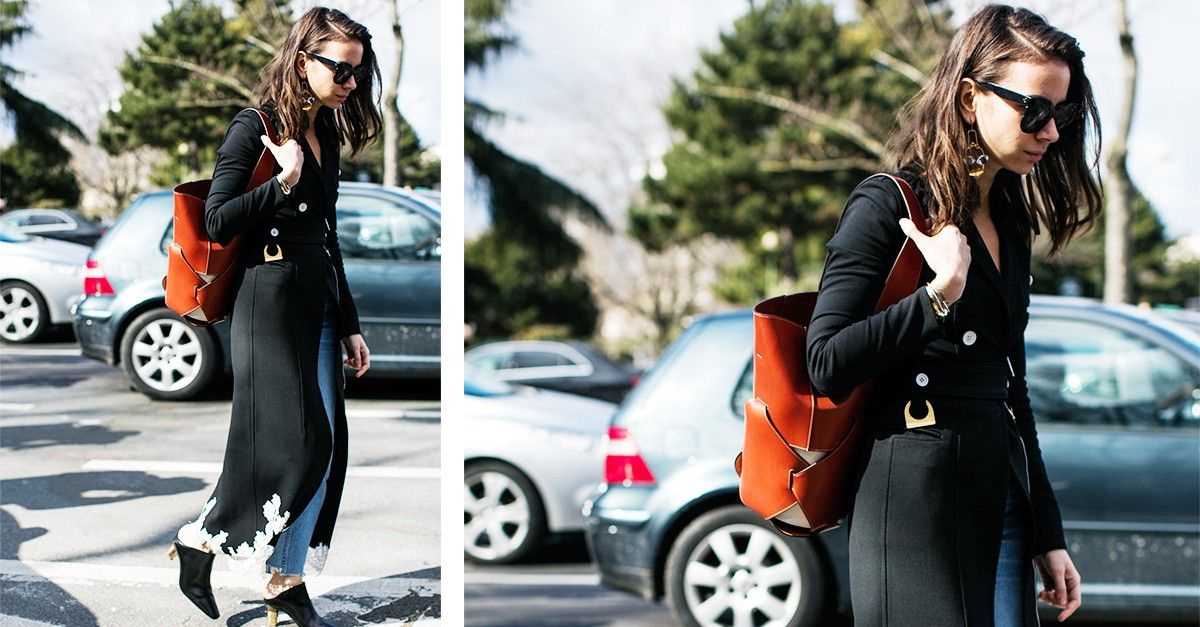
Accessories possess the unique power to elevate a baseline outfit into a cohesive style statement. Conversely, they can just as easily dismantle an otherwise impeccable look. While most people focus heavily on choosing the right shirt, trousers, or dress, the smaller details often dictate the overall success of an ensemble. When accessories compete with your clothing or work against your body proportions, they create visual friction.
Achieving a balanced look is not about piling on expensive pieces; it is about understanding scale, context, and harmony. To ensure your jewelry, belts, bags, and shoes work for you rather than against you, avoid these seven common accessory mistakes that secretly disrupt a balanced outfit.
1. Over-Accessorizing the Focal Point
One of the most frequent missteps in styling is the failure to establish a singular focal point. Every outfit needs a hero piece, which could be a bold patterned dress, a vibrant blazer, or a statement necklace. When you attempt to feature multiple high-impact accessories simultaneously, they battle for attention, resulting in visual clutter.
For instance, pairing large, dangling chandelier earrings with a chunky, multi-layered statement necklace crowds the collarbone area. The eye does not know where to land, and the sophisticated silhouette of your garment gets lost in the noise.
How to Fix It
-
The Rule of One: Choose one primary statement accessory per outfit. If you opt for dramatic earrings, keep your necklace minimal or skip it entirely.
-
The Edit Test: Before leaving the house, look in the mirror and remove one item. This classic styling rule prevents accidental overcrowding.
-
Balance with Basics: If your clothing features busy patterns, sequins, or heavy textures, keep all accessories understated and structural.
2. Ignoring Scale and Body Proportions
Accessories must complement your physical stature and the silhouette of your clothing. When the scale of an accessory is mismatched with your frame, it alters how your body proportions are perceived.
A massive, oversized tote bag carried by someone with a petite frame can completely overwhelm their silhouette, making them look smaller than they are. Conversely, a tiny, delicate micro-bag paired with a heavy, oversized winter puffer coat looks structurally mismatched and awkward.
How to Fix It
-
Match the Fabric Weight: Pair heavy winter fabrics like wool and leather with substantial accessories, such as thick belts and structured bags. Save delicate jewelry and lightweight bags for airy summer fabrics like linen and silk.
-
Consider Your Frame: Select bag sizes and jewelry widths that harmonize with your natural scale. If you have a larger frame, chunkier pieces often look more proportionate than ultra-thin chains that might get visually lost.
3. Clashing Metal Tones and Hardware
While mixing metals is a legitimate contemporary trend, doing so without intention looks sloppy. The secret ruin of a balanced outfit often lies in the accidental clashing of hardware across different categories, specifically your jewelry, bag clasps, shoe buckles, and belt prongs.
If you wear a belt with a heavy brass buckle, a handbag with bright silver chrome zippers, and rose gold earrings, the outfit loses its underlying cohesion. The disparate metals create an unintentional patchwork effect that breaks up the visual flow.
How to Fix It
-
Establish a Dominant Metal: Choose one primary metal tone, such as gold or silver, to represent at least seventy percent of your hardware.
-
Bridge the Gap: If you want to mix metals deliberately, use a single piece of jewelry that naturally combines both tones, such as a two-tone watch or a twisted silver-and-gold ring. This creates an intentional bridge for the rest of your accessories.
4. Misaligning the Belt with Your Natural Waistline
Belts are powerful tools for defining silhouettes, but an improperly positioned belt can distort your natural proportions. A common error is pulling a belt too tight, creating an artificial bulge in the fabric, or wearing a belt at the wrong height for the specific garment.
Wearing a wide, heavy belt high up on a short-torso frame cuts the upper body in half, making the torso appear virtually nonexistent. Similarly, letting a loose belt sag awkwardly over a long tunic can drag down the visual center of gravity, making your legs appear shorter.
How to Fix It
-
Match the Width to the Loops: Always ensure your belt width corresponds correctly with the belt loops of your trousers or skirts. A thin belt sliding around inside wide loops looks unpolished.
-
Identify Your Rise: Use medium-to-wide belts for high-waisted garments to emphasize the narrowest part of your waist. Use thinner, more casual belts for mid-rise or low-rise bottoms to avoid overwhelming the hips.
5. Disregarding the Footwear and Bag Synergy
The old rule dictated that your shoes and handbag must match perfectly in color and material. While that rigid standard is outdated, completely disregarding their relationship is equally problematic. Your bag and shoes do not need to be identical, but they must speak the same stylistic language.
Pairing rugged, heavy-duty hiking boots with a delicate, quilted satin evening clutch creates a jarring disconnect. The issue here is not a lack of color coordination, but a severe clash in functionality, texture, and vibe.
How to Fix It
-
Coordinate the Undertones: If your shoes are a warm, rich cognac brown, opt for a bag in a complementary warm tone, like olive green, cream, or tan, rather than a cool, icy gray.
-
Match the Formality Level: Ensure your footwear and handbag share a similar level of casualness or elegance. Canvas totes belong with sneakers or casual sandals, while structured leather bags pair best with loafers, boots, or heels.
6. Neglecting the Impact of Hosiery and Socks
Socks and hosiery are frequently treated as afterthoughts, yet they occupy a significant amount of visual real estate, especially when wearing skirts, dresses, or cropped trousers. An incorrect sock choice can instantly disrupt the line of your leg and break the continuity of your outfit.
Wearing stark white athletic tube socks with sleek black leather loafers and tailored ankle trousers creates a harsh visual break. The bright white draws the eyes straight to the ankles, shortening the appearance of your legs and ruining the sleek, monochromatic flow of the trousers.
How to Fix It
-
Extend the Leg Line: To appear taller and more streamlined, match your socks or hosiery to the color of either your shoes or your trousers. This maintains an unbroken visual line.
-
Intentional Contrast: If you want your socks to be a statement, ensure they feature a deliberate pattern or texture, like ribbed knit or sheer lace, so the choice looks stylistic rather than accidental.
7. Wearing Weather-Inappropriate Accessories
True style requires a balance between aesthetics and utility. When you wear accessories that completely contradict the current season or weather conditions, it shatters the illusion of an effortless outfit.
Wearing heavy, dark suede boots and a thick felt fedora in the middle of a humid July heatwave looks uncomfortable, no matter how well the colors match. Similarly, wearing flimsy, open-toed strappy sandals with a heavy wool trench coat in November creates an unnatural contrast that looks unbalanced.
How to Fix It
-
Respect the Season: Let the weather dictate your materials. Suede, velvet, and heavy knits belong in autumn and winter. Raffia, straw, canvas, and linen accessories belong in spring and summer.
-
Prioritize Practicality: An outfit looks most balanced when the wearer appears comfortable and adapted to their environment.
Frequently Asked Questions
Can I wear a watch and bracelets on the same wrist without looking cluttered?
Yes, you can stack bracelets with a watch, provided you balance the weights. If you wear a heavy, chunkier watch, balance it with two or three thin, delicate chain bracelets rather than thick cuffs. Keep the metals consistent or deliberately coordinated to maintain a clean appearance.
How do I choose the right sunglasses shape for my outfit’s vibe?
Sunglasses should complement both your face shape and the structure of your outfit. Angular, geometric sunglasses add sharpness to soft, flowing romantic outfits. Rounder, softer frames help tone down the stiffness of highly tailored, sharp corporate suiting.
Should my hair accessories match the color of my clothing?
Your hair accessories do not need to match your outfit exactly, but they should complement your hair color and the overall color palette of your look. If you have dark hair, ultra-dark accessories may get lost, so opting for a contrasting metallic or a complementary muted tone works best.
Is it acceptable to wear silver jewelry if my jacket has gold buttons?
It is acceptable if the rest of your outfit remains neutral, but it is generally cleaner to match your jewelry to the prominent hardware of your outerwear. If your coat features highly visible, bright gold buttons, wearing gold jewelry creates a smoother, more intentional visual transition.
How many rings can I wear at once before it becomes an accessory mistake?
There is no strict numerical limit, but the distribution matters. Instead of overloading a single finger, spread your rings across both hands. Balance a larger statement ring on one hand by wearing a few minimal, thin bands on the other hand to distribute the visual weight evenly.
How do I choose between a scarf and a necklace for a low-cut neckline?
A low-cut neckline offers excellent real estate for a delicate or medium-length necklace because it highlights the collarbone. If you choose a scarf instead, ensure the fabric is lightweight and tied in a way that does not completely crowd your neck, which can make you look shorter.
Do clear plastic or vinyl accessories count as neutrals?
While clear plastic or vinyl bags and shoes are technically colorless, they do not function as traditional neutrals. They catch the light significantly and reveal whatever is inside them, which adds visual texture. Treat them as statement pieces rather than quiet, blending accessories.

Comments are closed.