

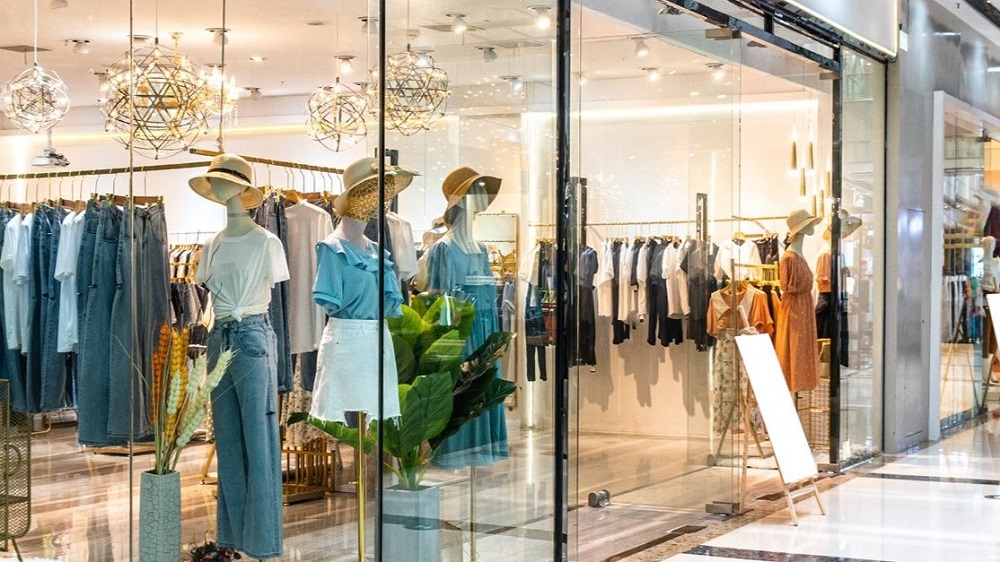
The global retail landscape is undergoing an unprecedented evolution. For generations, the act of buying goods was anchored to a physical brick-and-mortar storefront. Consumers traveled to a physical location, browsed static shelves, interacted with sales associates, and completed transactions at a centralized cash register. The physical store was the undisputed epicenter of commerce.
Today, the rapid acceleration of digital technology has thoroughly dismantled that traditional model. The internet, smartphones, and advanced digital logistics have given rise to an era where consumers can purchase virtually anything from anywhere at any time. However, the rise of digital commerce does not signal the death of physical retail. Instead, it has initiated a profound hybridization. The future of retail lies in a highly integrated, frictionless ecosystem where the boundaries between physical and digital spaces dissolve completely.
The Rise of Unified Phygital Ecosystems
The retail industry has moved past the concept of multichannel commerce, where brands simply operated an online website and a physical store as separate, siloed entities. The modern standard is a unified commerce model, frequently referred to as phygital retail, which seamlessly blends physical presence with digital capabilities.
Consumers no longer view online shopping and in-person shopping as mutually exclusive choices. Instead, they expect a continuous interplay between their digital screens and the physical aisles. A customer might discover a product on a social media feed, research its technical specifications on a smartphone while standing inside a retail storefront, complete the purchase via a mobile wallet, and choose to have the item shipped directly to their home.
To facilitate this fluidity, forward-thinking retailers are transforming their physical storefronts into high-tech fulfillment hubs and experiential showrooms. The store is no longer just a warehouse for inventory; it is a critical node in a complex digital network designed to maximize customer convenience.
Experiential Commerce and Storefront Reinvention
As pure e-commerce platforms master the art of rapid product delivery and low-cost pricing, physical storefronts must offer something a digital screen cannot replicate: tangible, real-world experience and sensory engagement. The physical store of the future is shifting its primary focus away from pure transactions and toward relationship building.
Retailers are dedicating substantial square footage to interactive installations, educational workshops, community events, and personalized consultations. Brands are realizing that when consumers spend time inside an immersive environment, they develop a deeper psychological connection to the company, which ultimately drives higher lifetime loyalty and brand advocacy.
Structural Adjustments in Modern Showrooms
-
Inventory Minimization: Showrooms carry a fraction of the traditional inventory on the floor, using the freed-up space to create spacious, aesthetically pleasing environments focused on product demonstration.
-
Smart Fitting Rooms: Fitting spaces are being equipped with interactive touchscreens and smart mirrors that allow users to adjust ambient lighting, browse alternative color options, and request different sizes from staff without leaving the stall.
-
On-Site Customization Stations: Retailers are offering immediate personalization services, such as monogramming, custom tailoring, or custom color mixing, creating an exclusive incentive for customers to visit the store in person.
Supply Chain Metamorphosis and Predictive Logistics
Behind the customer-facing interfaces of modern retail lies a highly sophisticated supply chain powered by artificial intelligence and automated systems. The digital world demands extreme speed and accuracy, and traditional warehouse management systems are no longer sufficient to keep pace with consumer expectations.
Retailers are utilizing machine learning algorithms to analyze massive pools of historical sales data, localized weather patterns, social media trends, and macroeconomic indicators. These predictive analytics systems can forecast consumer demand with remarkable accuracy weeks before a purchase occurs. By anticipating what products will sell in specific neighborhoods, brands can position inventory closer to the end consumer, dramatically reducing delivery times and transportation costs.
Furthermore, the integration of Radio Frequency Identification technology across the entire supply chain provides retailers with absolute, real-time inventory visibility. This precision eliminates the operational friction of out-of-stock items, minimizes overproduction, and ensures that the inventory counts displayed on a brand website perfectly match the physical items resting on the shelves of their local storefronts.
Artificial Intelligence and Personalized Customer Journeys
The integration of artificial intelligence is fundamentally changing how brands interact with consumers on an individual level. In the early days of digital retail, personalization was limited to generic email recommendations based on a user’s last purchase. Modern artificial intelligence algorithms can curate a hyper-customized shopping environment for every visitor.
When a consumer browses a digitally optimized platform, the algorithm dynamically adjusts the visual layout, product rankings, and promotional offers based on real-time behavior, browsing speed, and personal preferences. This level of customization mimics the attentive service of an elite boutique sales associate but operates at a massive scale across millions of digital users simultaneously.
In the physical realm, data profiles connected to store loyalty applications allow associates to provide enhanced customer service. With a shopper’s permission, an associate can view their past purchase history and digital style preferences upon entry, allowing them to provide highly accurate, tailored suggestions that respect the customer’s time and individual style goals.
Frictionless Checkout and Autonomous Operations
The checkout counter has historically been a primary source of friction in the physical shopping journey. Long lines, manual scanning, and payment processing delays represent a significant barrier to final conversion rates. The future of retail is heavily focused on creating completely frictionless, autonomous transaction environments.
Computer vision technology, sensor fusion, and deep learning algorithms are enabling checkout-free shopping experiences. Shoppers can enter a storefront, scan a mobile application at the turnstile, select their items directly from the shelves, and simply walk out of the store. Overhead cameras and weight sensors track product movements automatically, compiling a virtual cart and charging the user’s linked digital account automatically upon departure.
By eliminating the traditional cash register barrier, retailers can reallocate their human labor resources away from repetitive scanning tasks and toward direct customer service, product demonstrations, and brand storytelling, enhancing the overall human value of the in-store experience.
Frequently Asked Questions
Will physical retail stores completely disappear in the future?
No, physical retail stores will not completely disappear. While digital commerce will continue to claim a larger market share, physical storefronts provide unique value through sensory experiences, immediate product gratification, and human socialization that digital platforms cannot replicate. The future of the storefront is changing from a pure transaction center into a strategic multi-use space focused on brand experience and micro-fulfillment.
How does micro-fulfillment help local brick-and-mortar stores stay competitive?
Micro-fulfillment involves utilizing a portion of a local retail store’s backroom space as a highly automated mini-distribution center. This allows the store to fulfill local online orders, curbside pickup requests, and same-day delivery demands much faster and more cost-effectively than shipping items from a massive, distant regional warehouse. It turns the store’s physical location into a major logistical advantage.
What is social commerce and how does it impact traditional retail?
Social commerce is the direct integration of e-commerce transactions within social media platforms. Instead of forcing a user to click an external link to visit a separate website, social commerce allows consumers to browse products, interact with live-streamed demonstrations, and complete checkouts entirely inside their favorite social media applications, significantly reducing purchasing friction.
How do smart mirrors work inside modern retail fitting rooms?
Smart mirrors utilize high-definition touchscreens, cameras, and augmented reality software behind a reflective surface. When a customer enters the fitting room, the mirror recognizes the items via radio frequency identification tags. The mirror can then display product details, suggest complementary accessories, allow the user to alter the virtual lighting to simulate daylight or evening settings, and send requests directly to floor staff for alternative sizes.
What steps are retailers taking to address data privacy concerns in high-tech stores?
To maintain consumer trust in data-driven environments, retailers are adopting strict opt-in protocols, meaning advanced tracking and personalization features are only activated if a customer explicitly grants permission through a mobile loyalty application. Additionally, data collection systems are designed to encrypt personal information, separating raw behavioral data from individual identities to ensure compliance with modern privacy protection laws.
How can small independent retailers adapt to these highly digital future trends?
Small retailers do not need to invest millions in custom artificial intelligence or autonomous checkouts to stay competitive. They can leverage accessible, third-party software-as-a-service platforms to establish robust e-commerce capabilities, implement simple mobile payment options, utilize local delivery networks, and focus heavily on community engagement and specialized product expertise that large corporate algorithms cannot easily duplicate.
What is the environmental impact of shifting toward a more digital retail model?
The environmental impact is multi-dimensional. On one hand, predictive analytics and automated supply chains significantly reduce product overproduction and warehouse waste. On the other hand, the rapid rise of individual home deliveries increases packaging waste and transportation emissions. To counteract this, modern retailers are heavily investing in sustainable, biodegradable packaging materials and transitioning their local delivery fleets to electric vehicles.

Comments are closed.