

The landscape of value-driven retail is undergoing a profound transformation. Historically, outlet stores served a singular, utilitarian purpose: they functioned as remote clearance centers where brands could quietly liquidate excess factory stock, past-season overruns, or minorly defective merchandise. These centers were intentionally located far from metropolitan hubs to protect the prestige and pricing integrity of flagship city boutiques.
Today, that paradigm has shifted entirely. The modern consumer demands both premium value and a sophisticated brand experience, forcing the outlet industry to reinvent itself. Driven by rapidly evolving technological capabilities, shifting demographic preferences, and urgent environmental considerations, the outlet retail sector is transitioning into a highly strategic, omnichannel ecosystem. Several key trends are redefining how brands approach outlet formats, how these shopping spaces are constructed, and how digital innovations are integrated into the hunt for a bargain.
The Convergence of Physical and Digital Touchpoints
The traditional barrier between digital e-commerce and physical outlet shopping is dissolving rapidly. In the past, shopping at an outlet mall required a physical pilgrimage, an experiential journey anchored in the thrill of the hunt. Moving forward, the industry is adopting a frictionless, unified approach that blends online convenience with the tangible immediacy of the physical store floor.
Brands are heavily investing in localized digital integration within their brick-and-mortar outlet spaces. Consumers no longer view digital shopping and in-person shopping as distinct activities; instead, they expect a seamless interplay between their smartphones and the store racks.
Geofencing and Hyper-Localized Mobile Engagement
Retailers are leveraging geofencing technology to communicate with consumers the moment they step onto an outlet property. When a shopper enters a specific zone, the store proprietary mobile application can deliver personalized, real-time notifications directly to their device.
-
Tailored Promotions: Instead of generic sitewide sales fliers, shoppers receive specific discounts based on their past browsing history and loyalty profile.
-
Instant Rewards Activation: Loyalty points can be calculated and converted into instant checkout coupons dynamically as the user walks the aisles.
-
Interactive Floor Mapping: Navigation systems within mobile apps help shoppers locate specific brands, direct them to hidden clearance sections, or alert them to real-time inventory restocks in their exact size.
Real-Time Inventory Visibility and Reserve-Online Models
One of the historical frustrations of outlet shopping was the unpredictability of stock availability. Advanced inventory management systems are resolving this issue by offering public-facing, real-time tracking. Shoppers can check whether a specific past-season jacket or shoe size is available at their nearest outlet location before committing to a drive. Furthermore, the rise of the reserve-online, pickup-in-store model at value centers ensures that high-demand clearance items can be secured digitally before a shopper arrives at the checkout counter.
The Evolution into Lifestyle and Entertainment Destinations
The physical structure of the outlet center is evolving away from the sterile, outdoor strip-mall design of the late twentieth century. To combat the rise of pure e-commerce platforms, physical retail must offer something digital spaces cannot replicate: immersive, real-world socialization and leisure.
Modern and future outlet developments are being conceptualized as complete lifestyle destinations rather than simple agglomerations of discount clothing storefronts. Developers are integrating premium hospitality, green public park spaces, experiential dining options, and entertainment complexes into the architectural blueprints of new centers.
Instead of a quick, transactional shopping trip, operators are designing environments that encourage extended stay times. Fast-food courts are being replaced by artisanal food halls, microbreweries, and full-service dining concepts. It is becoming increasingly common to find outdoor movie theaters, rock-climbing walls, live music pavilions, and seasonal ice-skating rinks integrated directly into the layout of premier outlet villages. By transforming shopping into a holistic day-long leisure activity, outlet operators ensure steady foot traffic and increase the average basket spend per household visit.
Data-Driven Inventory Customization and Exclusive Lines
The production model backing the outlet industry has achieved an unprecedented level of sophistication. While true retail store overflow still exists, the vast majority of goods found in contemporary and future outlets are manufactured specifically for that market segment.
Historically, this value-tier manufacturing sometimes carried a negative connotation regarding fabric choices or build quality. However, predictive data analytics and advanced supply chain management have completely revolutionized this process. Brands can now use artificial intelligence and machine learning algorithms to analyze precisely what styles, colors, and cuts perform best within specific regional demographics.
Using these data points, design teams can create targeted, exclusive capsule collections designed specifically for their outlet footprint. These items maintain the recognizable design language, tailoring standards, and visual identity of the primary retail line but utilize streamlined manufacturing loops to keep retail prices accessible. This shift ensures that outlet stores are continuously supplied with fresh, highly relevant, and systematically organized inventory, completely eliminating the chaotic, unappealing clearance bin aesthetic of the past.
The Prioritization of Sustainability and Circular Economy Initiatives
As global awareness regarding textile waste and climate change intensifies, modern consumers, particularly younger generations, are demanding transparency and ecological responsibility from their preferred brands. The outlet sector, which inherently deals with excess production and secondary market goods, is uniquely positioned to lead the charge in circular economy initiatives.
Future outlet environments are actively shifting toward becoming centers for garment recycling and upcycling. Many forward-thinking brands are introducing designated trade-in hubs within their outlet storefronts. Customers can bring back well-worn apparel from past seasons in exchange for store credit, which can be immediately applied to new purchases.
These returned garments are then categorized, repaired, cleaned, and resold on specialized in-store resale racks, or sent to dedicated textile recycling facilities to be broken down into raw fibers for future production cycles. By integrating secondary market resale structures directly into the physical outlet space, retailers can capture the booming second-hand clothing market while actively proving their commitment to reducing long-term environmental degradation.
Augmented Reality and Smart Fitting Room Technological Integration
The physical fitting room has long been a bottleneck in high-volume retail environments, characterized by long lines during peak weekend hours and misplaced inventory left behind by hurried shoppers. To streamline this critical phase of the purchasing journey, outlet stores are implementing sophisticated in-store hardware innovations.
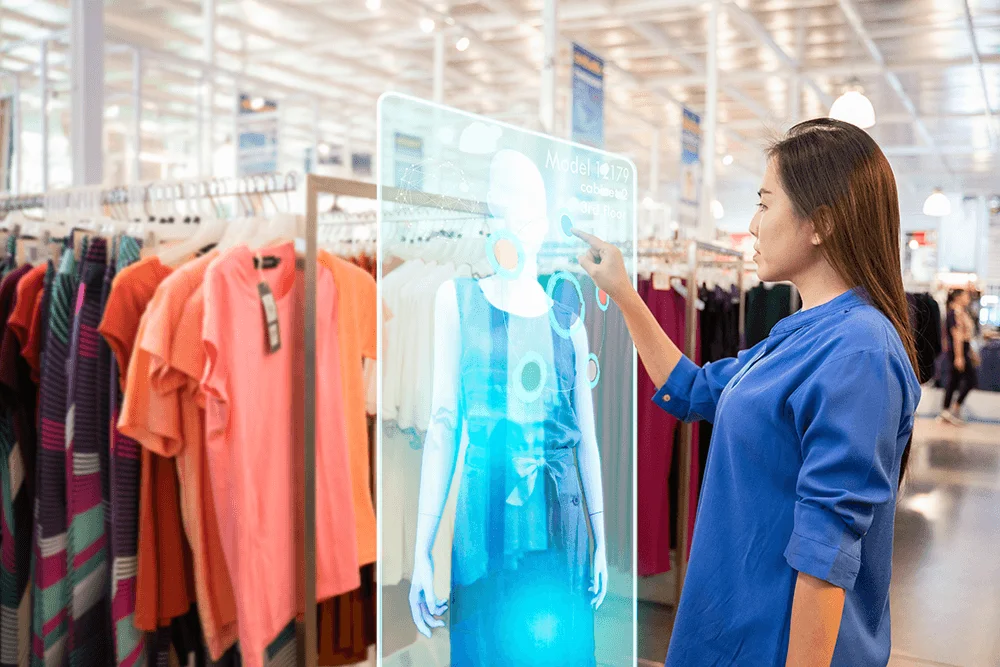
Smart mirrors equipped with augmented reality technology are beginning to appear on the sales floors and inside fitting spaces of premier value retailers. These interactive mirrors allow customers to virtually try on clothing items, accessories, or footwear without having to physically undress. A shopper can stand in front of the mirror, select a different colorway or size of the jacket they are holding, and instantly see a digital projection of how the alternative item will look on their frame.
Inside the physical fitting room, smart touchscreen panels allow users to communicate directly with floor associates. If a garment does not fit properly, the customer can request a different size with a simple tap on the screen, prompting a staff member to locate the item and deliver it directly to their stall. This high-efficiency infrastructure minimizes friction, elevates the customer sense of comfort, and directly boosts final conversion rates at the register.
Frequently Asked Questions
Will physical outlet stores eventually be completely replaced by online outlet websites?
No, physical outlet stores are highly unlikely to be completely replaced by digital counterparts. While online value platforms are expanding, physical outlet malls offer an experiential, destination-based form of retail that blends leisure, socializing, and immediate gratification. Additionally, brick-and-mortar locations serve as highly critical operational centers where brands can process localized returns and physically liquidate specific items that would be financially inefficient to photograph, list, and ship individually online.
How do data analytics prevent outlet stores from running out of popular clothing sizes?
Brands now utilize advanced predictive analytics software that tracks real-time sales velocity across regional demographics. By monitoring purchase patterns continuously, these systems can forecast size and style demands weeks in advance. This allows manufacturing hubs to adjust production schedules dynamically and restock outlet store floors with optimal size distributions before a severe shortage occurs on the racks.
What features make a modern outlet center lifestyle-oriented rather than transactional?
A lifestyle-oriented outlet center incorporates non-retail elements designed to elevate comfort, socialization, and entertainment. This includes the integration of landscaped outdoor walking paths, public green spaces for families, artisanal food halls featuring local vendors, interactive play zones for children, and live event spaces. The goal is to shift the consumer mindset from a brief chore-oriented errand to an enjoyable weekend day trip.
Are exclusive outlet-specific clothing lines of lower quality than standard retail lines?
Not necessarily. While outlet-specific lines are engineered to meet a more accessible price point, the focus has shifted toward smart engineering rather than sacrificing structural integrity. Brands achieve cost savings by simplifying intricate embellishments, using more efficient fabric layouts during cutting, or utilizing alternative, high-durability material blends that are faster to manufacture, allowing them to maintain structural longevity while lowering costs.
How does geofencing respect consumer data privacy inside outlet malls?
Geofencing applications operate entirely on an opt-in basis, meaning the technology is only activated if a consumer downloads the brand specific loyalty app and explicitly grants location sharing permissions. Retailers must adhere to strict data protection regulations, ensuring that location tracking is localized strictly to the shopping center property and that consumer profiles are encrypted to prioritize personal privacy while delivering relevant promotions.
What role do automated checkout systems play in the future of outlet shopping?
Automated checkouts and mobile self-scanning technologies are being deployed to eliminate the long lines that traditionally plaque outlet centers during holiday weekends. By allowing consumers to scan items using their smartphones as they shop and complete payments via digital wallets, stores can significantly reduce register wait times, free up floor associates to assist customers on the floor, and improve overall operational flow.

Comments are closed.